The Flow Over Correction Rule: Why Fixing Mistakes Ruins Scores
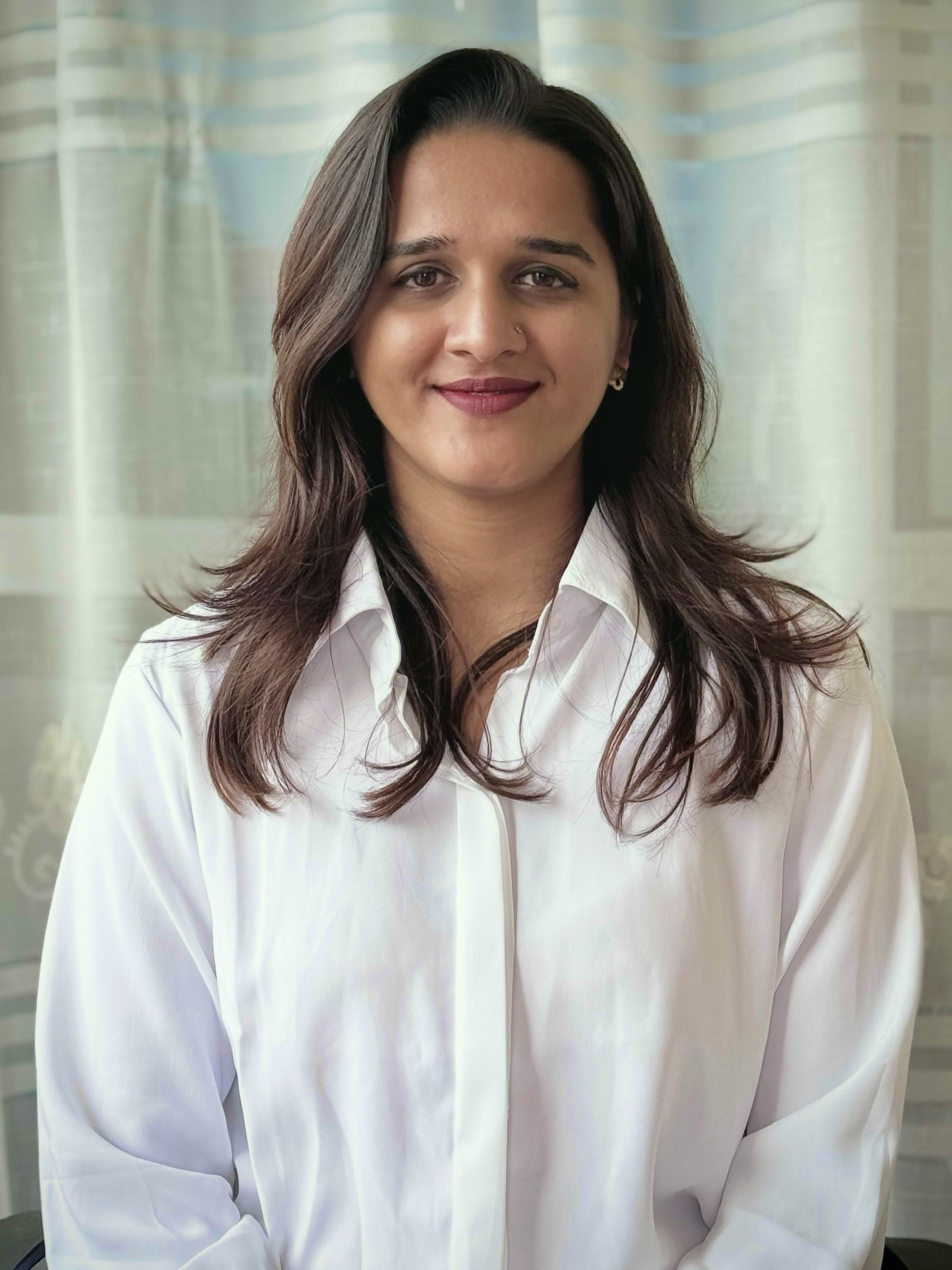
Smriti Simkhada
90/90 Perfect Scorer
PTE Fluency vs Correction — The Rule That Changes Your Speaking Score
One of the most counter-intuitive aspects of PTE Academic Speaking is the self-correction rule. Many Nepali students instinctively stop and correct themselves when they say a wrong word mid-sentence — because that is what good speakers do in conversation. In PTE Academic, this instinct actively lowers your Speaking score. Understanding when to correct and when to continue is one of the fastest ways to improve your Oral Fluency score.
For broader context, see the PTE score requirements guide.
Improve Your PTE Score
Nepali students often struggle with Oral Fluency. My 15-day batch focuses on the speaking and fluency criteria that PTE evaluates — with targeted practice and feedback.
How PTE Scores Oral Fluency
Oral Fluency is the enabling skill most responsible for Speaking scores in the 70-78 range for Nepali students. It measures the rhythm, pacing, and continuity of your speech. Key factors:
- Absence of hesitation markers ("um", "uh", "er")
- Consistent speech pace without long pauses
- Natural connected speech (linking words and phrases)
- No false starts, restarts, or repetitions
Self-corrections — stopping mid-sentence and starting again — are classified as disruptions to fluency. Each self-correction can reduce your Oral Fluency score, even if the corrected sentence is grammatically perfect.
The Flow-Over-Correction Rule Explained
The rule is simple: keep speaking continuously unless the error changes the meaning of your response entirely.
In practice, this means:
When to CONTINUE (Flow)
- You said "increasing" instead of "decreased" — but the rest of the sentence corrects it
- You used "a" instead of "the" — articles rarely affect the meaning PTE is testing
- You mispronounced one word — continue; one mispronunciation does not fail Pronunciation
- You used a near-synonym ("significant" instead of "major") — these are equivalent in PTE scoring
When to CORRECT
- You said a number incorrectly in Describe Image and the number is central to the response: "The bar shows 75... sorry, 57 percent..." — a brief correction is acceptable
- You used the wrong topic in your introduction — a quick redirect ("Sorry, looking at this graph... it shows temperature, not rainfall") is worth it
Notice the difference: corrections are only worth making when they change the content meaningfulness of your response. Grammar mistakes, article errors, minor vocabulary substitutions — flow over them.
The Cost of Self-Correction
A self-correction in PTE Speaking creates:
- A pause (silence) while you stop speaking
- A restart (which sounds like a "false start")
- A disruption to the rhythm of the sentence
Each of these is penalised in Oral Fluency scoring. A student who says "The graph shows... I mean the chart shows a significant increase" has produced 3 disruptions (pause + restart + repetition) for the sake of changing "graph" to "chart" — a negligible content correction.
How to Train the Flow-Over-Correction Reflex
Instinctive self-correction is a habit built over years of conversation and formal language learning. Changing it requires deliberate practice:
Exercise 1 — Speak-and-Continue Recording
Record yourself doing a Describe Image or Retell Lecture response. Listen back and count: how many times did you restart, hesitate, or correct? In the next attempt, deliberately continue speaking even when you make a mistake. Compare the fluency between the two recordings.
Exercise 2 — The "Keep Going" Commitment
Before starting any practice Speaking task, commit out loud: "I will not stop to correct myself." Make this a rule for one week of practice. Students who follow this report a noticeable improvement in Oral Fluency scores within 2 weeks.
Exercise 3 — Read Aloud Without Restart
In Read Aloud practice, if you mispronounce a word, continue reading without going back. Over time, this builds the neural habit of continuing after an error rather than stopping.
Common Mistakes Related to Self-Correction
- Adding "sorry" after a mistake — "Sorry" is not a normal part of academic speech and creates an extra hesitation marker. Skip "sorry" — just continue.
- Repeating the corrected version multiple times — "Increased... I mean decreased... decreased" wastes seconds and adds repetition penalties.
- Lowering your voice when you make a mistake — Dropping volume is a sign of self-consciousness that affects both pronunciation clarity and Oral Fluency perception.
What Students Say About This Preparation
"Following the strategy Smriti Didi outlined, my Oral Fluency improved enough to push Speaking above 79 in my next attempt." — Rahul T., Kathmandu
"The structured approach made the difference. I had been retaking without a plan — one focused batch changed that." — Anita S., Pokhara
Results reflect individual student preparation experience. Scores depend on personal effort, starting ability, and test conditions. No specific outcome is guaranteed.
Frequently Asked Questions
What if I say the complete opposite of what the graph shows?
For a major factual error in Describe Image (saying the graph "decreased" when it clearly "increased"), a brief correction is acceptable: "...shows a decrease — actually, an increase of..." followed by immediate continuation is better than leaving a factual error uncorrected for the entire response. But minor errors? Keep going.
Does this apply to PTE Core Speaking tasks too?
Yes. The Oral Fluency scoring in PTE Core uses the same framework. The "flow over correction" rule applies to all PTE Pearson tests with Speaking tasks.
How much does Oral Fluency affect Speaking score?
Oral Fluency is one of the two Speaking enabling skills (along with Pronunciation). For students in the 70-78 Speaking range, Oral Fluency is typically the lower of the two enabling skill scores — meaning improving it produces the largest Speaking score gain.
Build Speaking Fluency Systematically
Fluency habits change with consistent practice over 2-4 weeks. The 15-day group batch (Rs. 2,500) includes daily Speaking practice with real-time feedback on fluency, pacing, and self-correction habits. For personalised feedback on your specific Speaking patterns, the 1-on-1 mentorship reviews your actual recordings. Browse free study materials or read the full PTE Academic guide.
Continue Your PTE Preparation
Related guides for Nepali students preparing for PTE Academic and PTE Core:
About Smriti Simkhada
Smriti is a PTE Academic perfect scorer (90/90) providing structured PTE coaching for Nepali students. She has helped over 1,000 students prepare for Australia PR and Canada immigration through structured, criteria-aligned coaching.